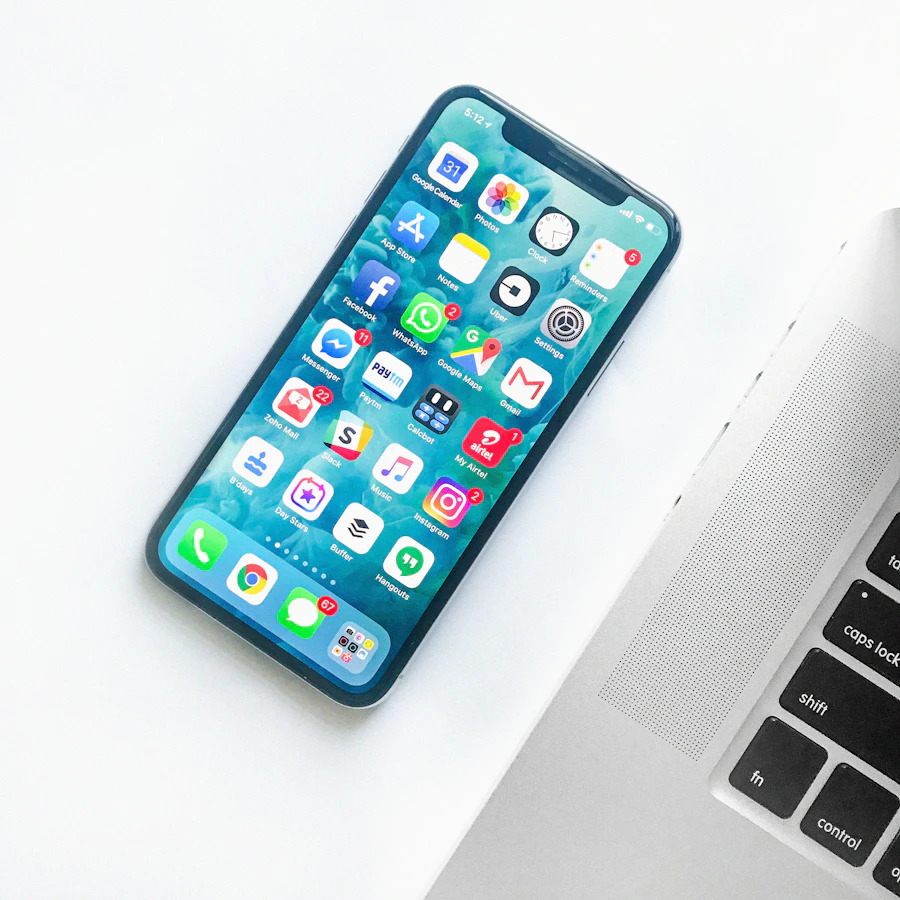
The real question is not just “can I qualify?”
Taking a loan to buy a phone can be sensible, risky, or unnecessary depending on your situation. The phone itself is not the issue. The issue is whether the phone gives you enough value to justify the repayment.
In Kenya, a phone can be a serious work tool. It helps with M-Pesa, WhatsApp orders, delivery apps, online classes, banking, customer communication, product photos, maps, and job applications. If your current phone is broken or too slow, a replacement may protect your income.
But a phone also loses value over time. A device bought today for KES 25,000 may be worth far less after one or two years. That means debt should be used carefully.
Pros of borrowing for a phone
The biggest advantage is speed. If your phone breaks and you rely on it for business, waiting months to save may cost you customers. A loan can help you replace it quickly.
A loan also spreads the cost. Instead of paying KES 24,000 at once, you may pay in smaller amounts. This can protect your emergency cash if the repayment is manageable.
A better phone may improve productivity. A rider needs battery life and navigation. An online seller needs storage and a good camera. A freelancer needs reliable communication. A student may need video and document apps. In these cases, the phone is not just comfort; it supports daily income or learning.
Cons of borrowing for a phone
The phone becomes more expensive because loans have charges. If a KES 20,000 phone leads to total repayment of KES 23,000, the true cost is KES 23,000. That extra KES 3,000 may be worth it if the phone protects income, but not if the purchase is mainly for status.
Repayments can strain your budget. If you earn KES 30,000 and your rent, food, transport, family support, and existing loans already take KES 28,000, a KES 4,000 monthly phone repayment will create pressure.
There is also damage or theft risk. If the phone is lost while you are still repaying it, you may have no phone and an active loan. Protect the device and avoid risky purchases.
Calculate the true cost
Write down the cash price and the total repayment. Then compare the difference.
Example:
- Phone cash price: KES 18,000
- Loan total repayment: KES 20,700
- Extra cost: KES 2,700
Ask whether getting the phone now is worth KES 2,700. If the phone helps you earn KES 5,000 extra per month, it may make sense. If it is mainly for entertainment and you can save the money in two months, waiting may be better.
Remember accessories. A phone may need a cover, screen protector, charger, memory card, data bundles, or delivery. A KES 18,000 purchase can become KES 20,000 quickly.
Productive vs lifestyle borrowing
Borrowing is easier to justify when the phone helps you earn or prevents loss. For example, a shop owner whose old phone cannot handle WhatsApp orders may lose sales every week. A new phone can pay for itself through better customer response.
Lifestyle borrowing is different. There is nothing wrong with liking a nice phone, but borrowing heavily to impress people is dangerous. Your friends will not repay the loan for you.
Example: good phone loan decision
Mary sells beauty products online. Her current phone has a weak battery and poor camera. She wants a KES 22,000 phone, has KES 8,000 saved, and needs KES 14,000. Her business leaves about KES 12,000 after monthly expenses. A repayment of KES 3,500 per month is manageable, and the phone improves product photos and customer service. For Mary, borrowing may be reasonable.
Example: risky phone loan decision
Brian earns KES 28,000 and already pays KES 6,000 monthly toward other loans. He wants a premium KES 65,000 phone mainly because friends have it. Even if approved, repayment may force him to miss essentials. A cheaper phone or savings plan is safer.
Questions to ask before applying
Before borrowing, ask:
- Why do I need this phone now?
- Is there a cheaper model that meets my needs?
- What is the cash price?
- What is the total repayment?
- What happens if I pay late?
- Can I still pay rent, food, transport, and family obligations?
- Will the phone help me earn, study, or communicate better?
- Am I borrowing from need or pressure?
Clear answers reduce regret.
Safer ways to reduce the loan amount
Use savings for part of the purchase if possible. Buy a slightly cheaper model. Compare shops. Avoid unnecessary accessories. Consider a reliable refurbished phone only if it has a warranty and passes inspection. Sell or trade in your old phone if it still has value.
The lower the loan amount, the easier repayment becomes.
How Quick Cash can help
If you decide a phone loan is the right move, Quick Cash can help you apply online and check your application status. Use the tool with a clear number in mind. If the phone costs KES 19,000 and you have KES 5,000, you may only need KES 14,000.
Quick Cash is most useful when you already understand your need and repayment comfort. The goal is not the biggest offer; it is the right amount.
A simple phone-loan decision test
Use three questions before borrowing. First, will the phone help you earn, study, communicate, or protect an important opportunity? Second, can you repay even if one expected payment delays? Third, would a cheaper phone solve the same problem?
If the answer to all three is yes, a phone loan may be reasonable. If the answer is no, it may be better to wait, save, buy a refurbished device from a trusted seller, or choose a lower-priced model.
The third question is especially powerful. Many people do not need the newest phone; they need a reliable battery, enough storage, a decent camera, strong network support, and good performance for WhatsApp, M-Pesa, banking, work apps, or online classes. Borrowing KES 35,000 when a KES 18,000 phone solves the real need can make the repayment heavier than necessary.
Protect the phone while you are still repaying
If you buy a phone using a loan, treat the device like an income asset until the loan is cleared. Use a case and screen protector. Avoid risky second-hand chargers. Back up important contacts and work information. Keep the IMEI and receipt. If the phone is for business, separate business money from personal spending so repayment does not disappear into daily expenses.
A damaged or stolen phone can leave you paying for something you no longer use. That is why the cheapest loan is not the whole story; device protection is part of the financial decision.
Using Quick Cash for a smaller phone gap
Quick Cash can be useful when you have some savings and only need to cover the difference. For example, if the phone is KES 20,000 and you already have KES 8,000, borrowing KES 12,000 is lighter than borrowing the full amount. Apply at quickcash.co.ke, review the processing fee and monthly repayment, and reduce the amount if the offer is higher than the gap you actually need.
Final verdict
You should consider a loan to buy a phone if the phone supports work, business, school, or essential communication, and the repayment fits your budget. You should avoid it if the phone is mainly for status, you already have too much debt, or you cannot explain the total repayment.
A phone can open opportunities, but debt needs respect. Borrow carefully, protect the device, and choose a model that serves your life instead of stretching it.