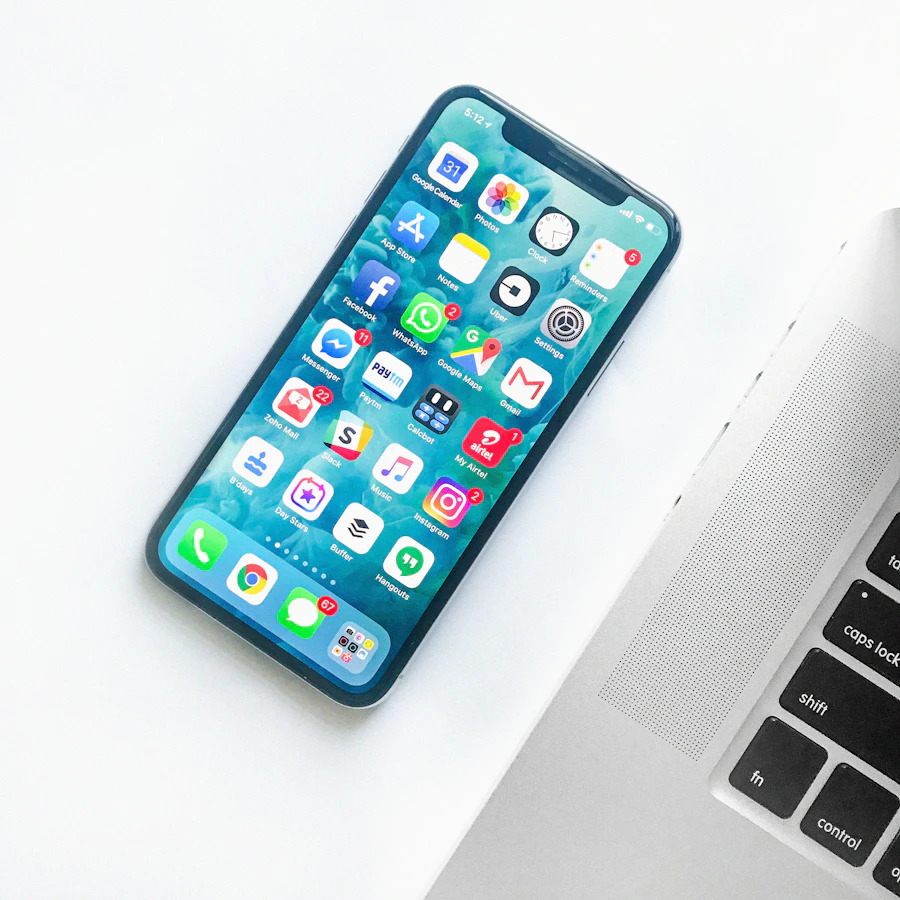
A smartphone in Kenya is no longer a luxury for many people. It is a workplace, payment tool, shop counter, school resource, camera, map, job-search device, and communication line. Riders use phones for delivery orders and customer calls. Small traders use them for M-Pesa, WhatsApp Business, photos, suppliers, and records. Students use them for assignments and online classes. Employees use them for email, shifts, interviews, and side hustles.
That is why buy-now-pay-later phone financing has grown. Instead of paying the full amount upfront, a customer pays a deposit and clears the balance in instalments. Some plans are daily, some weekly, and some monthly. The phone may be locked if payments are missed, and the total amount paid is usually higher than the cash price.
Phone financing can be helpful, but only when the repayment fits your income and you understand the terms. This guide explains how it works in Kenya, what to check before signing, and how to avoid turning a useful phone into a stressful debt.
What Buy-Now-Pay-Later Means
Buy-now-pay-later, or BNPL, simply means you get the phone now and pay over time. In Kenya, phone financing is often connected to mobile money repayments, digital credit checks, device management software, and daily-income customers.
A typical process may look like this:
1. You choose an approved phone. 2. You provide ID, phone number, and sometimes M-Pesa or credit history information. 3. The provider checks eligibility. 4. You pay a deposit. 5. You sign or accept the repayment agreement. 6. You receive the phone. 7. You repay daily, weekly, or monthly until complete.
Some providers install or activate software that can restrict the phone if you fall behind. This is common in pay-as-you-go device financing. It protects the lender, but it also means missed payments can interrupt your communication and work.
Example: How the Numbers Can Look
Let us say a smartphone has a cash price of KES 18,000. Under a financing plan, you may be asked for:
- Deposit: KES 3,000
- Daily repayment: KES 70
- Term: 300 days
The daily repayments add up to KES 21,000. Add the KES 3,000 deposit and the total paid becomes KES 24,000. That means financing costs KES 6,000 more than buying in cash.
That extra KES 6,000 is not automatically bad. If the phone helps you earn, keep a job, run a business, or avoid losing opportunities, the cost may be worth it. But you should know the difference before committing.
Here is another example.
- Phone cash price: KES 32,000
- Deposit: KES 5,000
- Weekly repayment: KES 900
- Term: 40 weeks
The weekly repayments total KES 36,000. Add the deposit and the total paid is KES 41,000. The financing cost above cash price is KES 9,000.
The key question is not only “Can I pay KES 900 this week?” It is “Can I pay KES 900 every week for 40 weeks, including slow weeks, emergencies, school-fee pressure, and holidays?”
Why People Choose Phone Financing
The biggest advantage is access. Many Kenyans need a capable smartphone before they have enough savings for the full cash price. If your current phone is broken, too slow, has a poor battery, or cannot run apps needed for work, waiting months to save may cost you income.
Phone financing can also help smooth cash flow. Paying KES 60 or KES 100 per day may be easier than raising KES 20,000 at once. For a boda rider, online seller, hairdresser, fundi, student, or delivery worker, the right phone can support real productivity.
Another advantage is structure. A fixed repayment plan can force discipline. Some people save better when the commitment is formal and automatic.
But structure becomes pressure when the plan is too tight.
The Main Risks
The first risk is paying too much without realising it. Some buyers focus on the deposit and daily amount, not the total. Always calculate the full cost. Deposit plus all instalments equals total paid.
The second risk is device locking. If the phone is locked after missed payments, you may lose access to calls, WhatsApp, delivery apps, banking apps, photos, and work contacts at the worst time. Ask exactly what happens after one missed day, three missed days, or one missed week.
The third risk is buying more phone than you need. A KES 45,000 phone can be exciting, but if a KES 18,000 phone can handle your work, the cheaper option may be smarter. Do not borrow for status. Borrow for usefulness.
The fourth risk is damage or theft. If your financed phone is stolen or the screen breaks, you may still owe the balance. Ask whether insurance, warranty, or repair support is included. Warranty usually covers manufacturer defects, not theft or careless damage.
The fifth risk is privacy. Some financing apps use device-management tools. Ask what data is collected, what can be controlled, and what happens when the loan is cleared. A good provider should explain this clearly.
What to Check Before Taking a BNPL Phone
Start with the cash price. Ask, “If I paid today in full, how much is this phone?” Then ask for the financed total. If the phone is KES 20,000 cash and KES 29,000 on credit, the financing cost is KES 9,000. You can then decide whether the convenience is worth it.
Next, confirm the deposit and repayment schedule. Daily repayments can look small, but daily pressure is tiring. Weekly or monthly repayment may be easier for salaried people, while daily may suit riders and traders with daily cash flow. Match the schedule to how you earn.
Then check penalties. What happens if you are late? Is there a fine? Does the term extend? Is the phone locked? Will your credit profile be affected? Can you catch up without paying a large fee?
Also ask about early repayment. If you clear the phone early, do you get a discount or pay the same total? Early settlement terms matter because many people hope to finish faster when business improves.
Finally, confirm ownership. When is the phone fully yours? What proof do you receive after clearing? Will the device-lock software be removed or disabled permanently?
Match the Phone to Your Work
For many people, the best financed phone is not the flashiest one. It is the one that handles your actual tasks reliably.
If you are a boda boda rider, focus on battery life, loud speaker, strong network reception, GPS performance, screen visibility outdoors, and durability. A huge camera may matter less than a battery that survives a full day.
If you sell online, camera quality, storage, WhatsApp Business performance, and battery life matter. If you record TikTok or Instagram videos, you may need better camera and storage, but still avoid overborrowing.
If you are a student, storage, screen size, battery, and app support may matter more than premium design.
If you use mobile banking and M-Pesa all day, reliability matters. A phone that hangs during customer payments can cost you trust.
A Simple Affordability Test
Before signing, do a seven-day test. Put aside the expected repayment amount every day for one week without touching it. If the repayment is KES 100 per day, save KES 100 daily for seven days. If that already feels painful before you even have the phone, the plan may be too tight.
For weekly repayment, try saving the weekly amount for two weeks. For monthly repayment, check whether your rent, food, transport, school fees, chama, and other loans still leave enough room.
A useful rule is to avoid stacking too many digital obligations. A phone repayment plus Fuliza, app loans, rent arrears, and school-fee pressure can become overwhelming fast.
BNPL vs Normal Phone Loan
Some people take a cash loan and buy a phone outright. Others use BNPL where the phone itself is financed. Each has pros and cons.
With BNPL, the provider may offer the phone, repayment structure, and device control in one package. It can be convenient, but device locking is a real risk.
With a cash loan, you can choose any phone and pay the seller in full. But the lender may charge interest, and if you default, you still face penalties or credit consequences. Also, because cash is flexible, some people borrow for a phone and end up spending part of the money elsewhere, then buying a worse device and still owing the loan.
Choose the option with the clearest cost and the least stress.
Avoid Common Mistakes
Do not use someone else’s ID unless the agreement is truly theirs and they understand the obligation. Do not take a phone for a friend on your name. If they stop paying, you carry the problem.
Do not ignore the total cost. Do not assume warranty means free repairs for any damage. Do not buy a phone with too little storage just because the deposit is low; it may become useless quickly. Also do not buy a high-end phone if your income cannot support it.
Keep payment messages and receipts. If you clear early or complete the term, request proof that the loan is finished.
When Phone Financing Makes Sense
It can make sense when the phone will help you earn or protect important income, the repayment is manageable, the total cost is clear, and you have a plan for loss or damage.
It may not make sense when you only want the phone for status, the repayment depends on perfect income every day, you already have many debts, or the provider cannot explain locking, penalties, and ownership clearly.
Quick Cash can help customers think through phone financing with practical repayment planning. A good phone should make life easier, not tighter. Before choosing buy-now-pay-later, calculate the full cost, protect your cash flow, and choose a device that serves your real needs.
---