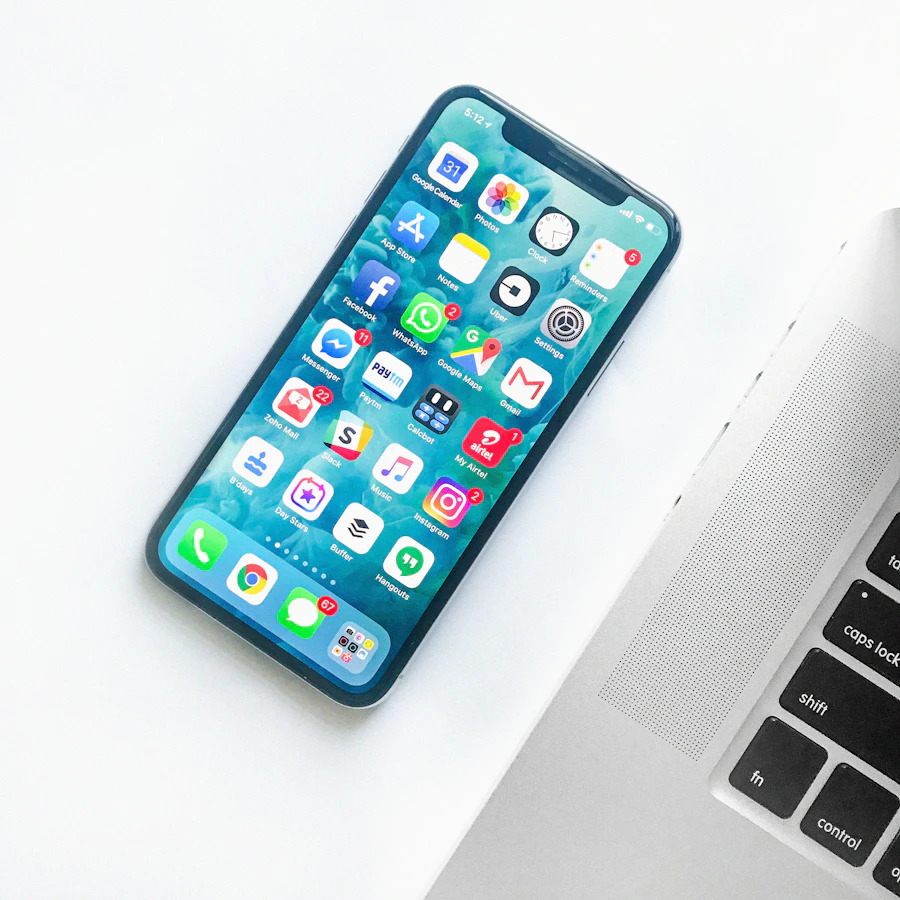
Buying a smartphone in Kenya often comes down to one difficult choice: take a phone loan now or save until you can pay in cash. There is no single correct answer. The better option depends on why you need the phone, how urgently you need it, how stable your income is, and how much extra you will pay for credit.
If your current phone is still working and you mainly want a nicer camera, saving up may be the wiser path. If your phone is broken and you need WhatsApp, M-Pesa, calls, maps, delivery apps, or work email to earn money, waiting may cost you more than the loan. The trick is to separate a phone that creates value from a phone that only creates pressure.
This guide compares both options using practical Kenya examples in KES, with risk warnings and a simple decision checklist.
Start With the Purpose
Before looking at loans, ask yourself what the phone will do for you.
If you are a boda boda rider, the phone may help with customer calls, Google Maps, delivery apps, mobile money, and emergency communication. If you are an online seller, it may handle product photos, WhatsApp Business, TikTok, Instagram, supplier communication, and M-Pesa confirmations. If you are employed, it may support email, shift updates, payslips, HR portals, and interviews. If you are a student, it may support research, assignments, class groups, and learning apps.
Those uses can justify faster access. But if the phone is mainly for status, gaming, or upgrading while your current phone still handles your needs, a loan can quietly weaken your finances.
Borrowing is not wrong. Borrowing without a clear reason is the danger.
The Case for Saving Up
Saving up has one big advantage: you avoid finance costs. If a phone costs KES 22,000 cash, and you save until you can buy it, the cost is KES 22,000 plus maybe accessories. No interest. No late fees. No device locking. No lender calls. No pressure to pay when income is slow.
Saving also gives you bargaining power. Cash buyers can compare shops, wait for offers, choose open-box deals carefully, or negotiate accessories like screen protector, cover, or earphones. You are not limited to a lender’s approved models.
Saving also reduces regret. If it takes three months to save for a phone, you have time to confirm whether you truly need that model. Many people discover that they do not need the most expensive option.
Here is a simple example.
Phone target: KES 24,000
Savings plan:
- KES 200 per day for 120 days
- KES 400 per day for 60 days
- KES 1,000 per week for 24 weeks
- KES 6,000 per month for 4 months
If your current phone can survive for two to four months, saving may be very attractive.
The Case for Taking a Phone Loan
A phone loan can make sense when waiting has a real cost. Suppose your current phone has a dead battery, cracked screen, poor network, and cannot run the apps you need. If you are losing delivery orders, online sales, or job opportunities, the delay may be expensive.
For example, an online seller may make KES 500 to KES 1,500 profit from a good sale. If a better phone helps them post clearer photos, respond faster, and close even four extra sales per month, that can partly or fully cover the loan cost.
A boda rider doing delivery work may need a phone with reliable GPS and battery life. If the old phone keeps switching off, the rider may miss orders or waste fuel. In that case, a financed phone can support income immediately.
The key is that the phone should help produce or protect money. If the loan simply upgrades lifestyle, the repayment may feel heavier.
Compare the True Cost
Always compare the cash price with the total loan cost. Do not stop at the deposit or daily amount.
Example 1: Small smartphone
- Cash price: KES 15,000
- Deposit: KES 2,000
- Daily repayment: KES 60
- Term: 300 days
- Total instalments: KES 18,000
- Total paid: KES 20,000
- Extra cost over cash: KES 5,000
Example 2: Mid-range smartphone
- Cash price: KES 30,000
- Deposit: KES 5,000
- Weekly repayment: KES 850
- Term: 40 weeks
- Total instalments: KES 34,000
- Total paid: KES 39,000
- Extra cost over cash: KES 9,000
Example 3: Cash loan to buy phone
- Loan amount: KES 25,000
- Fees and interest over term: KES 6,000
- Total repayable: KES 31,000
- Phone price: KES 25,000
- Extra cost: KES 6,000
These examples show why “small daily payment” can be misleading. KES 60 per day sounds light, but over 300 days it is KES 18,000. Add the deposit and you see the real cost.
Think About Timing
Saving up is cheaper but slower. Borrowing is faster but more expensive.
If the phone is urgent for income, speed matters. If it is not urgent, time is your friend. A good way to decide is to estimate the cost of waiting.
Ask yourself: If I wait three months, how much money will I lose or miss because I do not have this phone?
If the answer is “almost nothing,” save.
If the answer is “I may lose clients, delivery orders, job interviews, or business records,” a loan may make sense, provided the repayment is manageable.
Consider Your Income Pattern
Daily-income earners and salaried workers should choose different repayment styles.
If you earn daily, a daily or weekly repayment may feel natural. A rider, trader, barber, salon worker, or food vendor may prefer small frequent payments. But daily repayments require discipline. Missing two or three days can create pressure quickly.
If you are salaried, monthly repayment may be easier. You can pay after salary lands, then budget the rest. But be careful if you already have payslip deductions, rent, school fees, chama, or other loans.
If your income is seasonal or irregular, saving may be safer unless the phone directly increases income. Irregular income and strict repayment schedules can clash.
Risk: What Happens If Things Go Wrong?
With saving, the main risk is delay. Your old phone may fail before you reach the target. Prices may rise. You may be tempted to use the savings for emergencies. But you do not owe anyone.
With a phone loan, the risks are wider. You may face late fees, device locking, negative credit consequences, repossession terms, or stress from follow-up. If the phone is stolen or damaged, the loan may still remain. If your income drops, the repayment can compete with food, rent, transport, and family needs.
This does not mean loans are bad. It means you should plan for bad weeks. A loan that only works when everything goes perfectly is not affordable.
Build a Mini Emergency Buffer
Whether you borrow or save, keep a small buffer. If your repayment is KES 100 per day, try to keep at least KES 700 to KES 1,500 aside before taking the phone. That gives you a few days of breathing room if work slows.
If your phone is important for income, also budget for a cover, screen protector, and maybe a power bank. Spending KES 1,500 to protect a KES 25,000 financed phone is not wasteful. It is risk management.
When Saving Up Is Better
Saving is usually better when your current phone still works, your income is unstable, you already have several debts, you want an expensive phone mainly for status, or the loan provider cannot explain the total cost clearly.
Saving is also better when you can reach the target quickly. If you can save KES 8,000 per month and the phone costs KES 24,000, waiting three months may be worth avoiding thousands in finance costs.
When a Phone Loan Is Better
A phone loan may be better when the phone is needed for work, your current phone is failing, the repayment is comfortably below your daily or monthly surplus, and you understand the full cost.
It can also help when the opportunity cost of waiting is high. For example, if a delivery rider can earn an extra KES 300 per day with a reliable phone, a KES 80 daily repayment may be reasonable. But the rider should still include data bundles, charging, repairs, and slow days in the calculation.
A Simple Decision Checklist
Before taking a phone loan, answer these questions:
- What is the cash price?
- What is the total amount I will pay on credit?
- What is the exact repayment schedule?
- What happens if I miss a payment?
- Can the phone be locked?
- Is there warranty or insurance?
- What happens if the phone is stolen?
- Can I repay early and save money?
- Will this phone help me earn, study, or work better?
- Do I still have money left after rent, food, transport, family needs, and other debts?
If you cannot answer these questions, pause.
The Middle Option: Save a Bigger Deposit
Sometimes the best answer is not “borrow now” or “save the full amount.” It is to save a bigger deposit first.
If the phone costs KES 30,000 and you only have KES 2,000, the loan may be expensive. But if you save KES 10,000 first, you may reduce the financed amount, shorten the term, or choose a better plan. A bigger deposit can lower stress and improve approval chances.
This is a good strategy if your current phone can survive one more month.
Final Thoughts
A phone loan is a tool. Saving is also a tool. The right choice depends on your situation.
Save up when the phone can wait and you want the cheapest total cost. Consider financing when the phone is urgent, useful for income, and the repayment fits your real cash flow.
Quick Cash can help you compare phone financing options with a clear eye on affordability. Before you borrow, calculate the total cost in KES, protect yourself from late-payment stress, and choose a phone that solves a real problem. The best smartphone is not the one that impresses people on day one. It is the one you can afford, use well, and finish paying for without damaging the rest of your life.