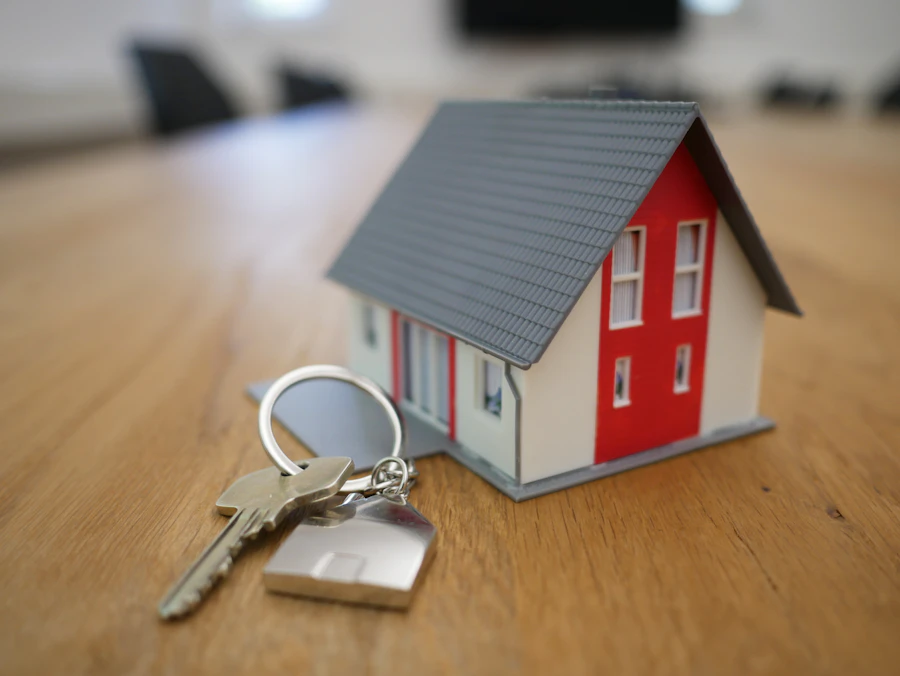
A good home appliance can change daily life in a very practical way. A fridge can reduce food waste, make bulk shopping easier, and support a small side business selling drinks or frozen items. A cooker can make home meals cheaper than buying food outside. A washing machine can save time for a busy family. A water dispenser, microwave, iron box, blender, or freezer can make a household run more smoothly.
The challenge is cost. Many useful appliances in Kenya require a lump sum that may not be available when the need is urgent. A basic fridge may cost KES 28,000 to KES 55,000 depending on size and brand. A decent cooker can cost KES 18,000 to KES 65,000. A washing machine can easily cost KES 35,000 to KES 90,000 or more. If an old appliance breaks suddenly, waiting several months to save may be difficult.
That is where home appliance loans come in. Borrowing can help you buy an appliance sooner, but it also adds repayment pressure. The right question is not only "Can I get the money?" It is "Will this appliance improve my household enough to justify the cost of borrowing, and can I repay without hurting rent, food, school fees, transport, or other bills?"
This guide explains how to think through appliance loans in Kenya, compare saving vs borrowing, and avoid taking on expensive debt for a purchase that could have waited. Quick Cash may be one option to compare for a short-term personal loan, but approval is not guaranteed and you should always review the current terms before accepting an offer.
Start with the appliance problem, not the appliance dream
Before borrowing, define the problem you are solving. A fridge for a family that throws away vegetables and milk every week is different from a bigger fridge bought mainly because it looks better in the kitchen. A cooker that replaces an unsafe or unreliable stove is different from upgrading to a premium model because a sale is ending.
Ask yourself:
- Is the appliance replacing something broken or unsafe?
- Will it lower household costs?
- Will it protect food, improve hygiene, or save time?
- Will it help generate income?
- Can a smaller or simpler model solve the same problem?
- Can the purchase wait until you save more?
Borrowing is easier to justify when the appliance solves a real, near-term problem. If the purchase is mainly about comfort or status, saving first may be the wiser route.
Common appliances Kenyans borrow for
Home appliance borrowing often falls into a few categories.
Fridges and freezers are popular because they affect food storage and can support small income activities. A household may buy vegetables, meat, milk, and cooked food in larger quantities. A shopkeeper, mama mboga, or home-based seller may need a freezer for stock. If the appliance reduces waste or increases business income, a loan can be easier to plan.
Cookers and ovens are another common need. A reliable cooker can reduce the cost of buying ready-made meals. It can also support home baking, food delivery, or small catering. But buyers should include gas, electricity, installation, and safety accessories in the budget.
Washing machines are useful for families with children, workers with limited time, or households paying for laundry services. Still, they should be weighed carefully because they need water, electricity, detergent, and repairs. If your water supply is unreliable, a washing machine may not save as much as expected.
Small appliances such as microwaves, blenders, irons, pressure cookers, and water dispensers may look affordable individually, but borrowing for several at once can create a surprisingly large debt. If the item is not urgent, save for it.
KES example: fridge purchase
Imagine a household in Nairobi wants a fridge. The options are:
- Small single-door fridge: KES 29,000
- Medium double-door fridge: KES 48,000
- Larger premium fridge: KES 85,000
The family has KES 18,000 saved. They spend about KES 3,500 per month replacing food that spoils, buying small quantities at higher prices, and making extra trips to the market. They can comfortably set aside KES 8,000 per month after rent, food, school fees, transport, and existing commitments.
For the small fridge, the gap is KES 11,000. For the medium fridge, the gap is KES 30,000. For the premium fridge, the gap is KES 67,000.
The best answer may be the medium fridge if it meets the household need and has better long-term usefulness. But if borrowing KES 30,000 would require tight repayments for several months, the small fridge may be more sensible. The premium fridge is risky unless the household has strong cash flow or a clear income reason for the larger size.
The decision should be based on monthly affordability, not showroom excitement.
Saving vs borrowing: how to compare
Saving is usually cheaper because you avoid interest, fees, penalties, and repayment stress. If the appliance is not urgent, saving for two or three months may be better than borrowing today.
For example, suppose a washing machine costs KES 42,000 and you already have KES 22,000 saved. You can save KES 10,000 per month. In two months, you can buy it in cash. Borrowing KES 20,000 now may get the machine sooner, but you will pay extra loan costs. If your laundry situation is manageable, saving may win.
Borrowing may make sense when the appliance is urgent, the loan amount is modest, and the appliance prevents bigger losses. If a freezer used for a small food business breaks, waiting two months could mean losing customers and stock. Borrowing to replace it may protect income. If a cooker breaks and the family starts spending KES 800 per day on outside food, replacing it quickly may reduce costs.
Use a simple comparison:
- Cost of waiting: spoiled food, outside meals, lost income, transport, time, inconvenience.
- Cost of borrowing: fees, interest, penalties if late, stress, reduced monthly cash.
- Cash available now: savings, family support, salary timing.
- Repayment ability: realistic income after essential expenses.
If the cost of waiting is lower than the cost of borrowing, save. If the cost of waiting is higher and repayment is affordable, borrowing may be reasonable.
Include hidden appliance costs
Many borrowers focus only on the sticker price. A safer budget includes the full setup cost.
For a fridge or freezer, consider delivery, stabilizer or surge protector, extension cable, possible repairs, and higher electricity use. For a cooker, include gas cylinder, regulator, hose, installation, lighter, and ventilation needs. For a washing machine, include delivery, plumbing, stand, detergent, water usage, and maintenance. For a microwave or blender, include surge protection and warranty terms.
Suppose a cooker costs KES 32,000. Delivery is KES 1,500, a gas cylinder and regulator setup is KES 7,000, and a surge protector or small accessories cost KES 1,500. The real project is KES 42,000, not KES 32,000.
If you borrow only for the cooker and then use rent money for the gas setup, the loan has not solved the problem. It has just shifted pressure to another bill.
New, used, refurbished, or hire purchase?
Kenyan appliance buyers often compare new appliances, used appliances, refurbished units, supplier instalments, hire purchase, and cash loans.
A new appliance may cost more but can come with warranty, easier returns, and lower early repair risk. A used appliance may be cheaper, but you need to inspect it carefully and understand that repairs can come quickly. A refurbished appliance can be a middle ground if the seller is reputable and gives written warranty terms. Hire purchase or supplier instalments may reduce upfront pressure but can increase the total paid.
Do not compare only the deposit or monthly instalment. Compare total cost. If a fridge cash price is KES 42,000 but the instalment total is KES 58,000, the financing cost is KES 16,000. That might still be acceptable if the fridge supports income or prevents losses, but you should know the true number.
With a cash loan, compare the amount you receive with the total you repay. Also confirm whether any fees are deducted upfront and whether late repayment attracts extra charges.
Repayment cautions before taking an appliance loan
An appliance loan should fit inside your budget without forcing you to borrow again for basics. Before accepting any loan, list your income and essential expenses. Include rent, food, school fees, transport, utilities, existing loans, medical needs, chama contributions, and family support obligations.
If your income is KES 55,000 and your fixed monthly commitments already total KES 48,000, a new KES 9,000 repayment is not affordable even if the lender offers it. You may survive the first month by delaying something else, but the second month can become difficult.
Avoid borrowing for multiple appliances at once unless your income is stable and the repayment is comfortable. A fridge, cooker, microwave, and TV may make the home feel complete, but one combined loan can become heavy.
Be careful with variable income. If you are paid through commissions, daily wages, casual work, or business income, use your lower average month to test affordability. Do not base repayment on your best month.
Never ignore due dates. Late repayment can lead to penalties, follow-up calls, reduced future borrowing options, and stress. If you foresee a delay, contact the lender early and ask what options exist. Do not wait until the due date has passed.
When not to borrow
Do not borrow for an appliance if rent, food, school fees, or medical needs are already unpaid unless the appliance directly protects those essentials. Do not borrow because of pressure from a sale, a visiting relative, social media, or comparison with neighbors. Do not borrow for a premium brand when a reliable basic model will do.
Also avoid borrowing if you are already rolling over loans. If one loan is being used to repay another, adding an appliance loan can deepen the cycle. Pause, stabilize your budget, and consider cheaper alternatives such as repairing the old appliance, buying used from a trusted seller, or saving for a smaller model.
How Quick Cash can fit into the decision
Quick Cash can be considered when you need a short-term personal loan to bridge a clear appliance funding gap and you have a realistic repayment plan. For example, if you have saved KES 25,000 toward a KES 38,000 cooker setup and need KES 13,000 before payday, a small loan may be more manageable than financing the entire purchase.
Use Quick Cash as one option to compare, not as permission to overspend. Check the amount offered, fees, repayment date, total repayment, and consequences of late payment before accepting. Approval is not guaranteed, and the responsible choice may sometimes be to borrow less, save longer, or choose a cheaper appliance.
Final checklist
Before taking a home appliance loan in Kenya, confirm the full price, hidden costs, warranty, seller reputation, repayment amount, due date, and your fallback plan if income is delayed. Buy the appliance that solves the real household problem, not the one that stretches your budget the furthest.
A useful appliance should make home life easier. The loan used to buy it should not make the rest of your life harder.